Expert Strategies to Sustain Your Poinsettias' Vitality
Posted on 01/09/2025
Expert Strategies to Sustain Your Poinsettias' Vitality
Poinsettias are renowned for their festive crimson brilliance, bringing cheer and color to countless homes each holiday season. Yet, for many, the struggle to maintain their poinsettias' vitality beyond the celebrations can seem daunting. With the right knowledge and a bit of expert care, you can enjoy your poinsettia's vibrant foliage for months--or even years! This in-depth guide explores comprehensive, science-backed strategies to keep your poinsettias healthy and thriving throughout the year.
The Botanical Beauty of Poinsettias
Originating from the warm, subtropical climates of Mexico and Central America, poinsettia plants (Euphorbia pulcherrima) have become a symbol of winter celebrations worldwide. While widely admired for their red, white, or pink bracts (often mistaken for flowers), these beauties require specific care to maintain their vibrancy. Understanding their natural habitat is key to implementing expert strategies that sustain poinsettia vitality in your home environment.
Why Poinsettias Lose Their Vitality
- Improper watering: Overwatering or underwatering quickly leads to root rot or dehydration.
- Insufficient light: Too little light results in fading leaves and loss of bract color.
- Temperature fluctuations: Chilly drafts or too much heat impede healthy growth.
- Lack of humidity: Dry indoor air stresses poinsettias, causing leaf drop.
- Poor soil and nutrition: Nutrient-deficient soil can't support extended vigor.
Fortunately, each of these pitfalls is easily avoided by following the expert recommendations below.

Positioning Your Poinsettia for Success
Poinsettias' resilience and color rely heavily on their placement within your home. The original habitat of the poinsettia provides clues to its preferred conditions:
- Bright, indirect sunlight: Place your plant where it receives a minimum of six hours of filtered daylight--near a south, east, or west window, but out of direct midday rays.
- Consistent temperatures: Ideal conditions range from 65-75?F (18-24?C). Avoid draughts or placing near radiators, fireplaces, and cooling vents.
- Stable environment: Shield from sudden temperature changes--never let it touch cold windowglass or experience frosty drafts.
Pro Tip: If necessary, rotate your poinsettia weekly to encourage even growth and balanced color on all sides.
The Science of Watering Your Poinsettia
Proper watering is crucial for long-term poinsettia vitality. Many owners mistakenly treat their poinsettia as a cactus, resulting in underwatering, or as a thirsty tropical, leading to root rot. The best practice is moderation and consistency:
Expert Watering Guidelines
- Water only when necessary: Feel the soil about an inch deep. If it's dry, it's time to water. If it's still moist, wait a day or two.
- Thorough, not frequent: Water the soil thoroughly so excess escapes from the drainage holes. Discard any excess water that accumulates in the saucer to prevent soggy roots.
- Use room-temperature water: Cold water may shock roots, so always let it warm to ambient temperature before watering.
- Avoid misting: Misting may cause disease or fungus on the leaves. Instead, manage humidity as described below.
Consistency is the secret. Observe your plant's response and adjust frequency as lighting, temperature, and humidity change through each season.
Humidity: A Hidden Key to Poinsettia Longevity
Poinsettias flourish in higher humidity, reminiscent of their native environments. Most heated homes in winter are much too dry, causing leaves to curl and drop. Here's how to create a more favorable microclimate:
- Set your poinsettia on a pebble tray: Place the pot atop a tray filled with pebbles and water, ensuring the pot itself is above the waterline. This gently increases local humidity without wetting the roots.
- Group houseplants: Plants release moisture into the air, so clustering them amplifies the benefit for all.
- Use a humidifier: Maintain room humidity at 50-60% for healthiest poinsettias.
Tip: If leaves start turning brown at the edges, it's often a sign the air is too dry.
Fertilizing for Sustained Poinsettia Vigor
To support poinsettia health and vitality well beyond the holidays, feeding is essential--just not while it's in bloom. After the colorful bracts fade (usually late winter to early spring), expert growers recommend:
- Applying a balanced, water-soluble fertilizer (such as 10-10-10 or 20-20-20) every 2-4 weeks.
- Diluting to half-strength for younger or weakened plants to avoid fertilizer burn.
- Ceasing fertilization during bract formation in late autumn to encourage richer color and bract prominence.
Remember: Over-fertilizing will do more harm than good. If in doubt, err on the side of caution.
Pruning and Maintenance: The Expert's Way
Regular care will keep your poinsettia lush, shapely, and robust throughout the growing season. Here's how experienced horticulturists recommend maintaining plant form and strength:
Annual Pruning Techniques
- After bracts fade and drop, cut stems back to 4-6 inches from the soil. This encourages healthy, bushy growth.
- Remove faded leaves and weak stems to prevent disease and direct energy to vigorous branches.
- Pinch back tips in spring and early summer to promote branching and a fuller plant.
- Always use clean, sharp scissors or pruning shears to avoid damaging stems or introducing pathogens.
Tip: Wear gloves--poinsettias secrete a milky sap that can irritate sensitive skin.
Repotting for Continued Growth and Longevity
As your poinsettia flourishes, it may outgrow its original container. Expert growers recommend repotting every one to two years, ideally in spring, to ensure your plant's roots have room to breathe:
- Choose a pot 1-2 inches wider than the current one with excellent drainage.
- Select a high-quality, peat-rich potting mix tailored to houseplants.
- Gently remove the poinsettia, preserving as much of the root ball as possible.
- Water thoroughly after repotting and allow the plant to adjust in indirect light for a few days.
Encouraging the Poinsettia's Spectacular Coloration: Expert Reblooming Strategies
The remarkable color of poinsettia bracts doesn't occur spontaneously every year. It's the result of a process called photoperiodism, where the plant requires extended periods of darkness to trigger bloom:
Mastering the Rebloom Process
- Beginning in early fall (usually by late September), provide 14-16 hours of uninterrupted darkness each night for 8-10 weeks. This can be done by covering with a box or placing in a closet nightly.
- During daylight hours, return to a sunny spot and maintain typical care routines.
- Keep nighttime temperatures around 60?F (15-16?C) for best results.
- Continue the darkness treatment until vivid bracts appear--usually by late November to early December.
This method, a tightly-held secret among professional growers, will reward you with a renewed, spectacular display season after season.
Preventing and Treating Common Poinsettia Problems
Maintaining poinsettia vitality year-round means staying vigilant for common issues. Here's what to look for and how to respond quickly:
Typical Troubles and Remedies
- Leaf fall & wilting: Usually due to stress from over or under-watering, drafts, or abrupt temperature changes.
- Pale or yellowing leaves: Signals that the plant requires more light or better nutrition.
- Brown edges: Often caused by dry air--raise humidity promptly.
- Root rot: If the soil is soggy and the plant droops, improve drainage immediately, remove affected roots, and repot in fresh, dry soil.
- Pests: Whiteflies, spider mites, and mealybugs occasionally infest poinsettias. Treat with insecticidal soap or neem oil as needed.
Tip: Regularly inspect your plant and address concerns at the first sign of trouble to promote long-lasting vitality.
Poinsettia Myths and Misconceptions
Dispelling common myths is important for proper new year and year-round poinsettia care:
- Poinsettias are toxic: Contrary to persistent rumors, poinsettias are not deadly poisonous. Their milky sap may cause minor irritation but rarely requires medical care. Keep out of reach of pets and children, but don't panic if accidental contact occurs.
- Poinsettias can only thrive indoors: In USDA zones 9-11, poinsettias can be grown outdoors as colorful shrubs with appropriate protection from frost.
- Poinsettias are "one and done": With expert strategies, these plants can flourish and rebloom for many years--not just for a single holiday season.
Expert Seasonal Care Calendar
| Season | Care Guidelines |
|---|---|
| Winter |
|
| Spring |
|
| Summer |
|
| Autumn |
|
Extra Tips for Year-Round Poinsettia Elegance
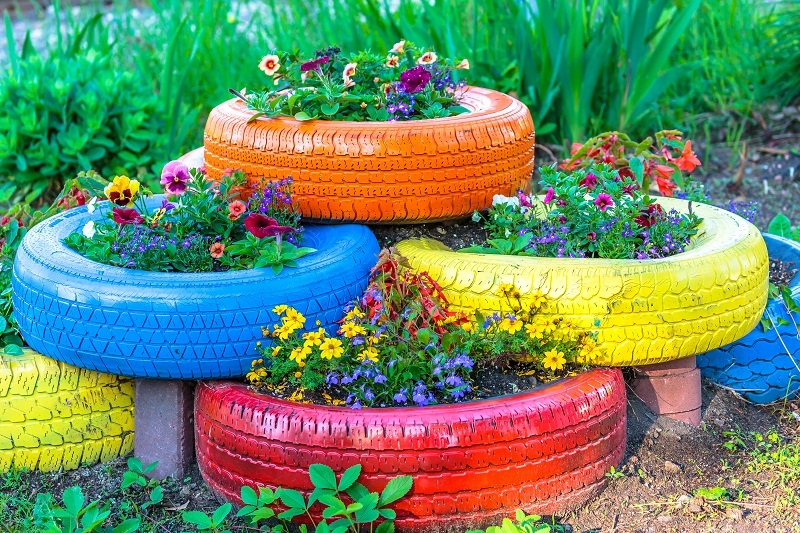
- Use decorative pots with concealed drainage trays to combine style and function.
- Pair with complementary houseplants for a lush, festive display well beyond December.
- Make note of each plant's individual needs: Some poinsettias respond better to certain routines, so personalize your care based on observation.
Your Sustainable Poinsettia--A Reward for Diligent Care
With these expert strategies to sustain your poinsettia's vitality, you can transform this iconic holiday flower into a year-round highlight in your home or garden. By mastering their environmental needs, watering wisely, encouraging rebloom, and staying proactive about health, you'll enjoy thriving, colorful poinsettias for many seasons to come.
Ready to sustain the vitality of your poinsettias and become a true "poinsettia pro"? Start implementing these tried-and-true methods now, and watch your beloved plant deliver beauty, cheer, and color--Christmas after Christmas, and beyond!
Latest Posts
Rock your garden with hydrangeas
Expert Strategies to Sustain Your Poinsettias' Vitality
Explore the Unseen: 8 Facts About Sunflowers You Never Knew
Understanding Peony Flowers: Their Rich Symbolism and Color Variations